Description
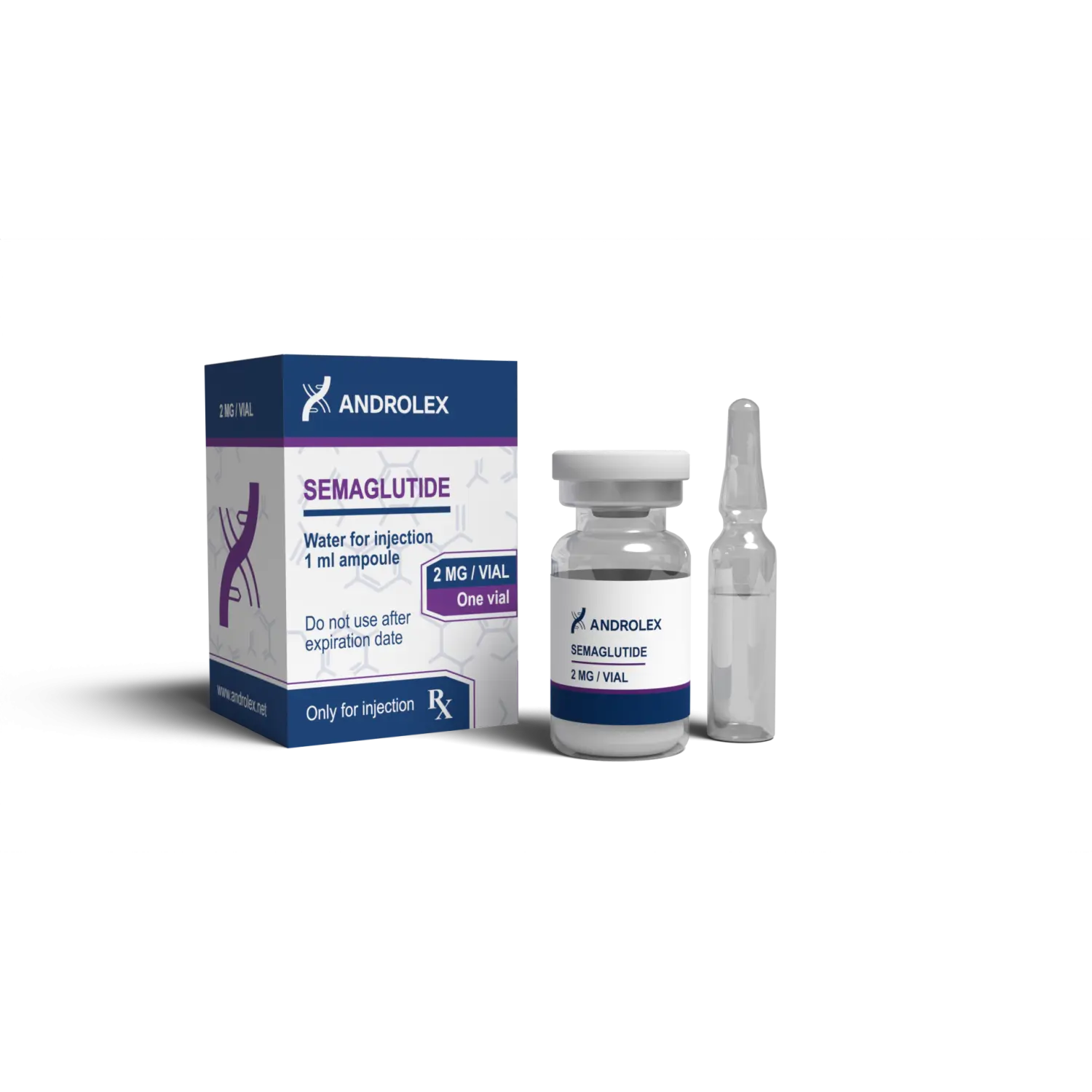
What is semaglutide
Semaglutide is a synthetic analogue of human glucagon-like peptide-1 (GLP-1), a hormone involved in glucose metabolism and appetite control.
It was originally developed for type 2 diabetes management but later became widely recognized for its ability to reduce body weight by regulating appetite and improving metabolic efficiency.
The compound mimics natural GLP-1 activity: it stimulates insulin secretion, inhibits glucagon release, and delays gastric emptying.
These combined effects lead to better blood glucose control, lower calorie intake, and a sustained reduction in body weight.
Main effects of semaglutide
Improves blood sugar regulation in type 2 diabetes
Promotes gradual, steady weight loss
Reduces appetite and food cravings
Helps maintain lean body mass during calorie restriction
Enhances satiety and reduces emotional eating
Improves cardiometabolic markers (lipids, blood pressure)
How to take semaglutide
Administration
- Route: subcutaneous injection
- Injection sites: abdomen, thigh, or upper arm
- Frequency: once weekly, on the same day each week, with or without food
Dosage
- The 2 mg dose is typically a maintenance dose after gradual titration (starting at 0.25 mg per week and increasing every 4 weeks).
- Used in weight management and type 2 diabetes therapy as part of a long-term regimen.
If a dose is missed and less than 5 days have passed, the injection can be administered as soon as possible.
If more than 5 days have passed, skip the missed dose and resume the regular schedule.
Possible side effects
- Nausea and mild gastrointestinal discomfort (most common)
- Decreased appetite
- Fatigue or dizziness
- Constipation or diarrhea
- Rare: pancreatitis, gallbladder issues, injection site irritation
Contraindications
- Personal or family history of medullary thyroid carcinoma (MTC)
- Multiple endocrine neoplasia type 2 (MEN 2)
- Severe gastrointestinal disease or gastroparesis
- Known hypersensitivity to semaglutide or formulation components
How to store
- Lyophilized (powder) form: store in a cool, dry place away from direct sunlight
- After reconstitution: keep refrigerated at 2 8 C (36 46 F), away from light and not too close to the back wall of the fridge to avoid freezing
- Do not freeze the reconstituted product
- Keep out of reach of children
How does semaglutide work
Semaglutide activates GLP-1 receptors in the pancreas, brain, and digestive tract.
This leads to:
- Increased insulin secretion when glucose levels rise
- Suppressed glucagon release, preventing unnecessary glucose output from the liver
- Slower gastric emptying, which helps stabilize post-meal blood sugar levels
- Appetite suppression through action on hypothalamic centers that regulate hunger and satiety
By replicating natural GLP-1 activity with a longer half-life ( 7 days), semaglutide maintains steady receptor activation throughout the week.
The result is better metabolic control, reduced caloric intake, and sustainable fat loss, making it one of the most effective GLP-1 analogues currently used for weight management and metabolic health optimization.
Reviews
There are no reviews yet.